
About Alaska Brown Bears
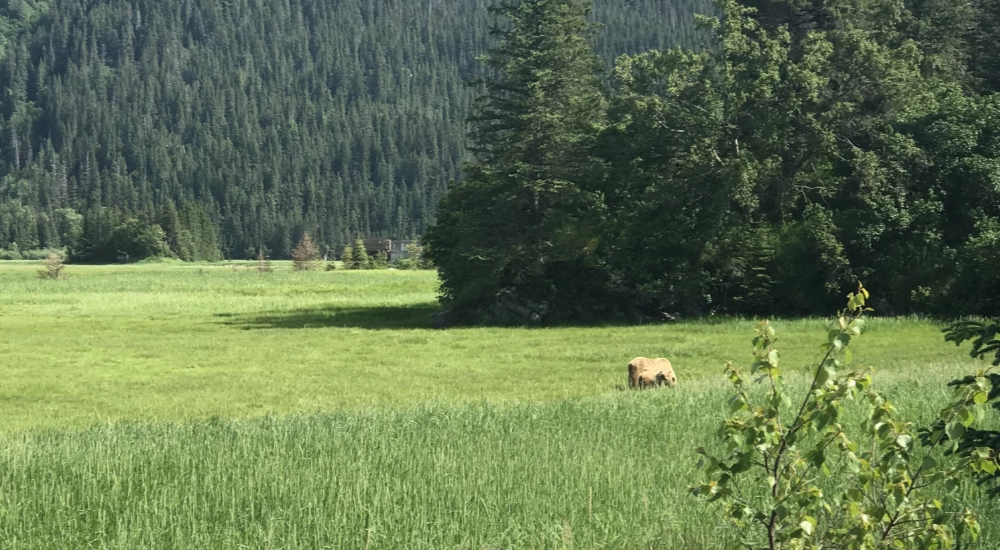
Alaska is home to roughly 30,000 brown bears, more than any other state in the country, and more than any other place in North America. From the salmon-rich coastlines of Lake Clark National Park to the remote interior of Denali, brown bears shape the Alaskan wilderness in ways most visitors don’t fully grasp until they’re standing twenty yards from one.
If you’re planning alaska wildlife viewing tours the brown bear is the animal most visitors want to see first, and Alaska gives you some of the best chances anywhere on Earth to do it. This page covers what makes Alaska brown bears distinctive, the three types found in the state, how they behave through the seasons, and where to see them.
What Makes Alaska Brown Bears Different
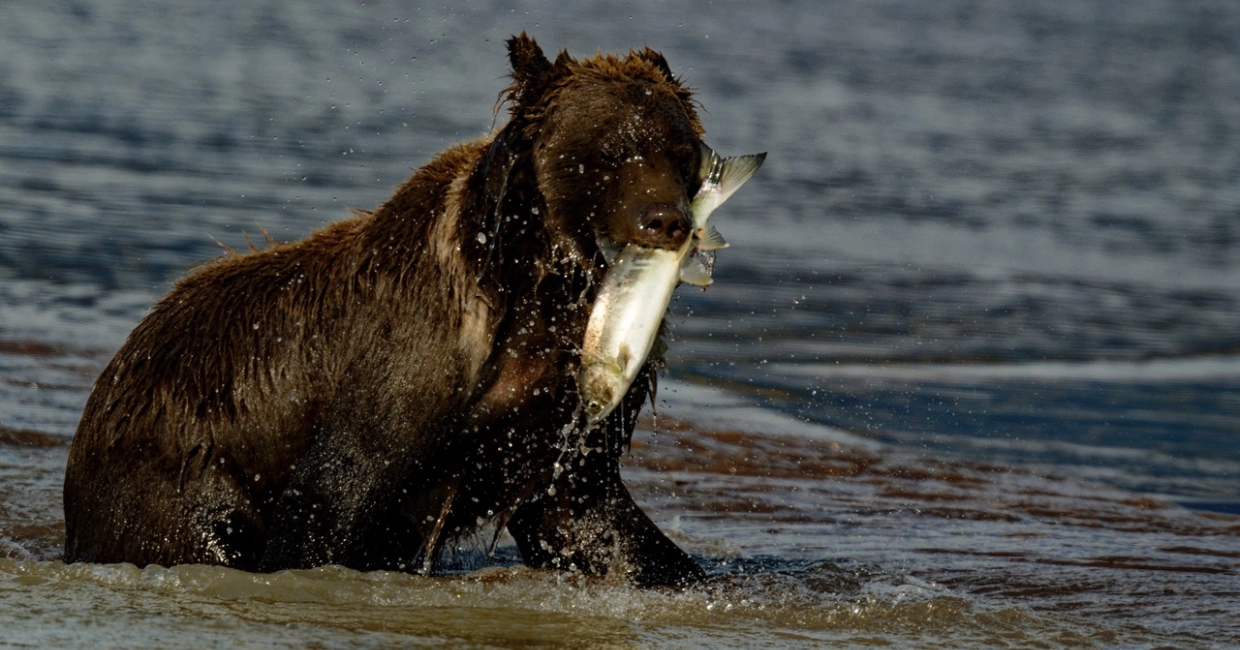
Alaska’s coastal brown bears are substantially larger than any other brown bear population in the world, and the reason is salmon. Coastal bears along Cook Inlet, at Katmai, and in Lake Clark National Park have access to annual salmon runs that interior bears simply don’t, and that food source produces a fundamentally different animal.
A coastal male brown bear in peak pre-hibernation condition typically weighs 600 to 900 pounds. Some individuals exceed 1,000 pounds. Female coastal bears generally run 250 to 450 pounds. Interior grizzly males, by contrast, average 400 to 500 pounds — the same species, but the difference in diet produces a difference in body mass that’s immediately visible.
The salmon diet doesn’t only add weight. Coastal bears develop denser muscle mass and substantially thicker fat reserves than their inland counterparts. A September coastal bear carries fat deposits that can exceed four inches in depth across the back, reserves that have to sustain a five-to-six month fast through the denning period.
Beyond their size, Alaska brown bears function as a keystone species in their ecosystem. Bears that carry salmon carcasses inland from streams deposit concentrated marine nutrients into the surrounding forest. Coastal areas with high bear densities show measurably more productive vegetation as a result of bears actively fertilizing the terrain they depend on.
The Three Brown Bears of Alaska
Coastal Brown Bears
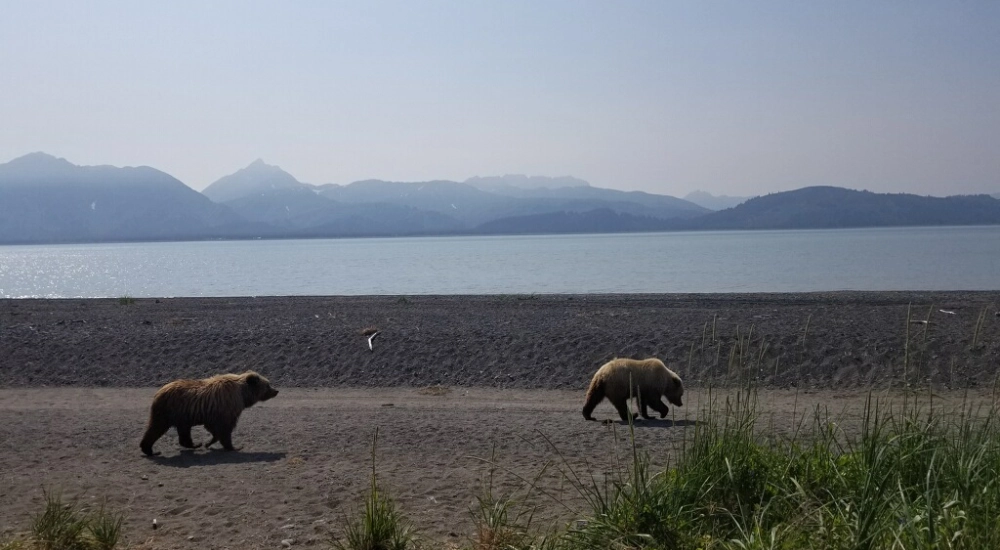
The bears most visitors come to see. Coastal brown bears live along Alaska’s southern and southwestern coast, where annual Pacific salmon runs provide the food base that produces the state’s largest individuals. The bears at Chinitna Bay and Lake Clark National Park are coastal brown bears — heavy, salmon-fed, and relatively tolerant of calm, non-threatening human presence.
Many visitors want to understand the difference between grizzly bears and brown bears before they arrive. The short answer: they’re the same species. “Grizzly” typically refers to the leaner inland variety; “brown bear” refers to the larger coastal animals. We cover the full distinction on our grizzly vs. brown bears page.
Interior Grizzly Bears
Inland from the coast, where salmon streams don’t reach, brown bears live on roots, ground squirrels, berries, carrion, and occasional large prey. They’re found across Interior Alaska, in Denali National Park, Wrangell-St. Elias, and throughout the Brooks Range.
Interior grizzlies are smaller and leaner than coastal bears, and without the conditioning that comes from regular exposure to guided human activity, they’re more likely to exhibit defensive behavior around people. Viewing them safely requires a different approach than coastal bear viewing.
Kodiak Brown Bears
The largest land predators on Earth are not coastal brown bears, Kodiak bears hold that title. Found exclusively on the Kodiak Archipelago off Alaska’s southern coast, Kodiak bears have been genetically isolated since the end of the last ice age, approximately 12,000 years of separation from mainland populations. That isolation, combined with rich salmon and sedge resources, produced an animal in a class by itself. Adult Kodiak males regularly reach 1,000 to 1,400 pounds, with exceptional individuals surpassing 1,500 pounds.
Roughly 3,500 Kodiak bears live on the archipelago. The Kodiak National Wildlife Refuge protects the majority of their habitat.
Brown Bear Biology Through the Seasons
Brown bear behavior follows a consistent annual cycle driven by food availability, reproductive biology, and the demands of surviving an Alaskan winter. Understanding this cycle explains why bears behave the way they do at different times of year.
Denning (October through April)
Brown bears den from roughly October through April, though timing varies by sex, age, and location. Pregnant females are typically the first to enter dens, usually by late October, and they’re the last to emerge in spring. A pregnant female gives birth in January, while still in torpor, and the cubs nurse through the remaining weeks of denning. Males and non-pregnant females may stay active well into November in years with good food availability, delaying denning until conditions require it.
Spring Emergence and Recovery
When bears emerge in April and May, they’ve lost 30 to 40 percent of their body weight. The first priority is protein. Coastal bears move directly to shoreline sedge flats, where new spring growth provides the nutrients needed to begin rebuilding muscle. Sows with cubs born in January emerge last, with cubs that are mobile but still small and completely dependent. The bond between sow and cubs during spring is intense — sows remain highly alert to the presence of adult males, who occasionally prey on cubs.
Salmon Season (July through September)
Pacific salmon are anadromous, they spend their adult lives in the ocean, then return to their natal freshwater streams to spawn and die. For coastal bears, this annual return is the most important food event of the year. Bears that have spent spring and early summer foraging on sedge shift to salmon as soon as runs begin, typically mid-July in most Cook Inlet streams.
Bears develop individual fishing techniques over years of practice, and cubs learn by watching their mothers. Productive fishing spots are contested, with larger males displacing smaller bears and subadults. The combination of food abundance and competition produces the concentrated, active behavior that makes salmon season prime viewing time.
Pre-Denning Hyperphagia
As daylight shortens in late summer and fall, bears enter hyperphagia — a physiologically-driven state of intense feeding. During hyperphagia, a large coastal bear may consume 20,000 calories per day and gain three to six pounds of fat daily. The urgency is biological: bears that don’t accumulate sufficient fat reserves before denning face a difficult winter. By early October, a well-fed coastal bear carries fat reserves that can exceed four inches in depth.
For a complete breakdown of brown bear size statistics, reproduction, lifespan, and biology: Alaska brown bear facts
Where to See Brown Bears in Alaska
Alaska offers more brown bear viewing opportunities than anywhere else on Earth. The major locations differ significantly in access, cost, crowd levels, and the type of experience they offer.
Chinitna Bay / Lake Clark National Park
Accessible by boat from Anchor Point north of Homer, Chinitna Bay in Lake Clark National Park offers high-density coastal bear viewing without the floatplane costs and permit logistics of other premier locations. No roads reach the bay. We regularly see 12 to 40 bears per trip.
Katmai National Park / Brooks Falls
Famous for the salmon run at Brooks Falls, where bears gather on the falls to catch sockeye leaping upstream. Highly popular and well-photographed. Access requires a floatplane from King Salmon; viewing platforms can be crowded during peak season.
McNeil River State Game Sanctuary
One of the largest concentrations of brown bears in the world during salmon season. Access is by lottery permit only; demand for permits far exceeds availability each year.
Kodiak Island
Home to the Kodiak subspecies. Viewing opportunities exist, but access to prime areas typically requires a guided fly-out from Kodiak city.
Denali National Park
Interior grizzly bears, viewed primarily from the park road bus system. A very different experience from coastal bear viewing. Bears are less concentrated, cover more ground, and are observed at greater distances.
See Alaska Brown Bears in the Wild
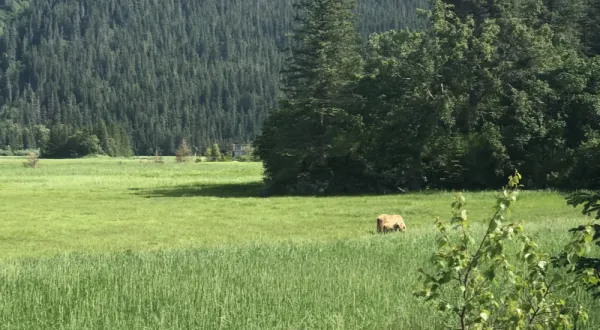
Captain Mike has been watching these specific bears at Chinitna Bay for over two decades. That experience shapes where the group goes, how long they stay in each spot, and what behavior to anticipate at different points in the season.
See tour prices and availability
Call or Text: 907-885-7000 | Toll free: 1-800-478-9190 | After hours text: 907-885-7270