
What Makes Alaska Bear Viewing Tours Different?
Many travelers compare wildlife trips around the world when deciding on their next holiday adventure. They look at safaris, zoo visits, guided hikes, and river tours. Then they may ask what makes Alaska bear viewing tours different from everything else.
The answer is simple. Scale. Wilderness. Access. And respect for wild animals.
In Alaska, bears live in open landscapes shaped by salmon runs, tides, mountains, and long summer daylight. These are not fenced areas. They are protected national park environments where wildlife moves freely.
At Alaska Bear Viewing Tours, guests travel by boat from Homer or Anchor Point across Cook Inlet to reach Chinitna Bay in Lake Clark National Park and Preserve. The setting, structure, and wildlife density create an experience that feels truly wild and unscripted
True Wilderness Instead of Built Attractions
One major difference in Alaska bear viewing is the setting itself.
In many parts of the world, wildlife viewing takes place from vehicles, inside reserves, or near developed tourist centers. In Alaska, most bear tours happen in remote coastal or national park landscapes.
Lake Clark National Park and Preserve is one example. It has no roads connecting it to major cities. Access comes by boat or aircraft. When you step onto the shoreline at Chinitna Bay, you are entering real wilderness.
There are no fences. There are no feeding stations. There are no staged photo spots.
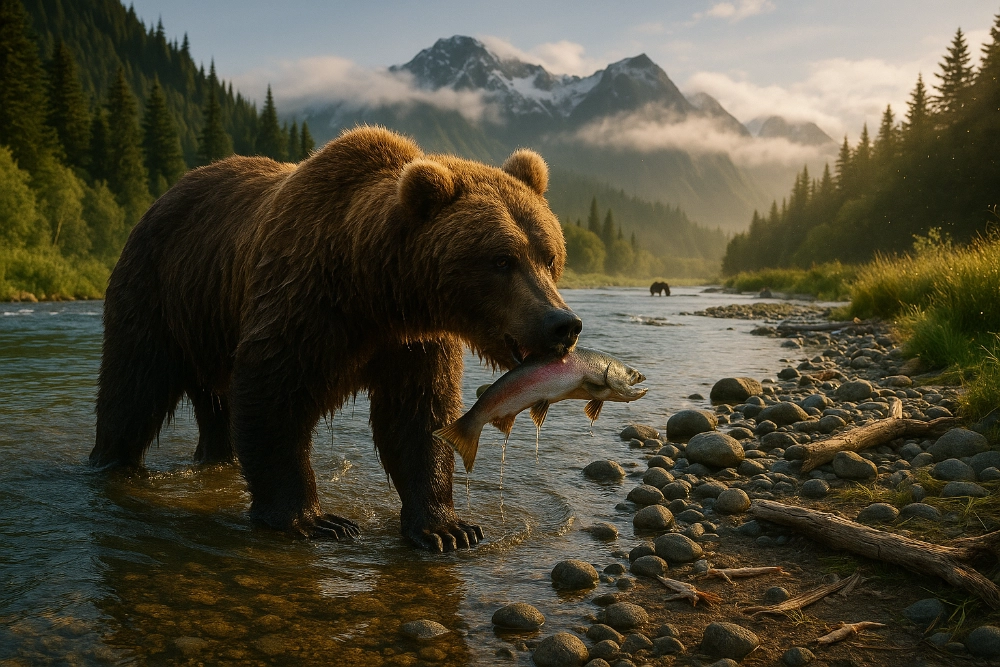
Bears gather there during salmon runs because of natural food sources, not because humans placed them there.
The setting alone changes the experience. Guests are visitors in the bears’ world, not the other way around.
High Bear Density Driven by Salmon
Another reason Alaska bear viewing stands apart is wildlife concentration.
Salmon runs support large bear populations across coastal Alaska. When salmon move upriver, bears gather to feed. This natural cycle creates strong viewing opportunities.
In Lake Clark, bears feed along tidal flats and streams. This food-driven gathering increases the chance of sightings. While wildlife is never guaranteed, certain locations in Alaska are known for reliable viewing during peak months.
The landscape supports the animals. The animals shape the experience.
That natural system is very different from wildlife encounters in places where animals are harder to find or widely dispersed across large terrain.
Guided Bear Tours Focused on Safety and Respect
Alaska bear tours operate with strict safety standards.
Bears here are wild. They are not trained. They are not conditioned to perform.
Guides are trained in wildlife behavior and group positioning. They understand body language, wind direction, tide movement, and how to keep guests safe without disturbing animals.
On our tours, group size is limited to six guests. Small groups are easier to manage and less disruptive to wildlife.
In open environments like Lake Clark, guides position guests along meadow edges or tidal flats where safe observation is possible.
This careful balance between proximity and respect is central to the experience.
Boat-Based Access From Homer
Many bear viewing tours in Alaska require flights from Anchorage or other cities. While those trips can be excellent, our model is different.
We travel by boat across Cook Inlet.
This approach offers several benefits:
• Scenic marine wildlife viewing during transit
• Less dependence on small aircraft
• Direct access to Chinitna Bay
• A steady, relaxed travel pace
The two-hour crossing is part of the adventure. Guests often see whales, sea otters, and seabirds before even reaching bear habitat.
Boat-based access creates a different rhythm to the day. It feels grounded and connected to the coastline.
That structure adds another layer to what makes Alaska bear viewing tours different from wildlife trips that focus only on short flights and quick landings.
Small Groups Create Personal Encounters
Group size shapes the entire experience. Large bus tours or crowded safari vehicles change how wildlife viewing feels. Noise increases. Movement becomes more rigid. Photography becomes harder. Our small group structure keeps the experience quiet and focused.
With fewer guests:
• Everyone has clear sightlines
• Guides can answer questions directly
• Movement stays calm and controlled
• Wildlife disturbance remains minimal
In wide open coastal terrain, small groups also allow better positioning. Guests can spread out slightly while still staying together under guide supervision.
This creates a stronger connection to the environment.
A Dynamic Ecosystem, Not Just One Species
Although the focus is on bears, the experience includes much more.
Lake Clark’s coastline supports:
• Bald eagles
• Shorebirds
• Harbor seals
• Salmon runs
• Moose and fox in surrounding areas
The interaction between land and sea shapes the ecosystem. When salmon move, bears respond. When tides shift, feeding areas change.
This dynamic system means no two days are exactly alike.
Seasonal Changes Shape Every Tour
Alaska bear viewing follows natural rhythms.
In late spring and early summer, bears graze on sedge grass along coastal meadows. This feeding is steady and calm.
In mid to late summer, salmon runs increase activity. Bears fish, compete, and move more frequently between streams.
In early fall, some areas remain active as bears prepare for winter.
Because tours follow wildlife cycles, each trip feels shaped by nature rather than by a fixed performance schedule. Guests witness real behavior tied to survival, not staged encounters.
A Wildlife Experience Built on Authenticity
Alaska’s bear viewing model blends wilderness access, strong wildlife populations, guided safety, and small group structure.
There are no artificial feeding programs. There are no staged interactions. There are no enclosed viewing zones in the backcountry.
Guests travel into protected national park environments where bears roam freely. Guides position groups carefully. Viewing happens at a respectful distance. The result is a wildlife experience that feels powerful because it is real.
From the coastal meadows of Lake Clark to the salmon-driven corridors of Katmai National Park, Alaska offers a scale and authenticity that is difficult to match anywhere else.
If you are ready to experience guided bear viewing in one of Alaska’s most productive coastal habitats, contact our team to learn about seasonal timing and availability.
A true wilderness encounter begins with choosing the right tour.